5 Easy Ways to Turn Attendance Tracking into Better Event Data

In this article, we’ll cover:
- Why event attendance tracking matters beyond simple check-in counts
- How better attendee data can improve reporting, follow-up, and event ROI
- What to look for when choosing the best event attendance tracking software
5 Easy Ways to Turn Attendance Tracking into Better Event Data
Getting people through the door is important. But if the only thing you know after your event is how many attendees showed up, you’re leaving a lot on the table. The best event technology should help teams do more than manage check-in. It should help planners understand what actually happened across their conference or event, which sessions drew a crowd, where attendees engaged, which exhibitors got traffic, and what signals point to stronger follow-up or future improvements. That’s where event attendance tracking software can help organizers, by collecting useful data without adding friction for attendees or manual work for staff. And when that data connects with registration, check-in, lead capture, and post-event reporting, it becomes much easier to measure performance and make better decisions the next time around. So what does better event attendance tracking actually look like? Here are five practical tips.
Why Event Attendance Tracking Matters
Event technology is at its best when it helps your team work more efficiently and gives you clearer insight into event performance. Attendance tracking is a big part of that. A strong event attendance tracking platform helps you:- Understand overall and session-level attendance
- Measure attendee engagement beyond basic headcount
- Improve post-event reporting and process analysis
- Support stronger follow-up for sponsors, exhibitors, vendors, and internal teams
What the Best Event Attendance Tracking Software Should Actually Do
Not all event attendance tracking tools are equally useful. At a minimum, most platforms will tell you who checked in to your event. However, the best event attendance tracking software can actually help planners capture a fuller picture of the attendee journey. Look for tracking tools that support:- Fast, accurate check-in and session scans
- Real-time attendance data
- Reporting that connects registration, attendance, and engagement
- Easy exports or integrations for follow-up and analysis

Tip 1: Track More Than the Front Door
Event attendance tracking that just counts your check-in numbers is a start, but in 2026, event planners expect more data (and more useful data). Let’s dive into what that means in practice. If you only track whether someone arrived, you’re missing a lot of the story. Which breakout sessions were most popular? Did VIP attendees actually attend the experiences built for them? Which parts of the event saw the most traffic? Those answers matter when you’re planning future content, staffing, room assignments, and sponsor opportunities. The best conference attendance tracking strategies go beyond entry and look at engagement throughout the event.💡 Pro tip: QR-code-based tracking can make this a breeze. Top event technology providers, like Expo Pass, automatically generate attendee-specific QR codes that can support check-in, session attendance tracking, lead capture, and broader event analytics without forcing planners into disconnected tools. This connected approach is exactly the kind of full-event visibility that’s valuable for ROI and follow-up.
Tip 2: Make Attendance Data Easy to Capture in Real Time
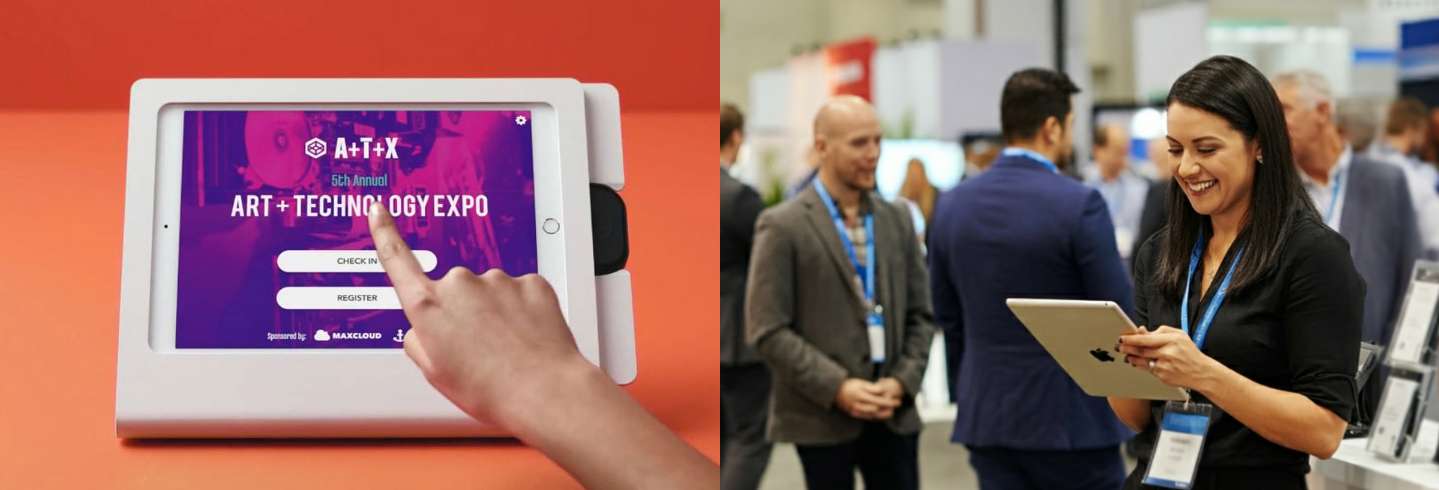
The more manual your process is, the less reliable your data usually becomes. Paper lists, spreadsheets, and delayed uploads can work for small gatherings, but they create more opportunities for missed scans, lagging updates, and cleanup later. Not to mention lower efficiency and higher workloads for your team. At conferences, trade shows, and other busy in-person events, real-time event attendance tracking is usually the better move. When attendance data updates as people check in or scan into sessions, your team can monitor what’s happening while the event is still live. That can help with room management, staffing adjustments, overflow planning, and on-the-fly decisions that improve the attendee experience. Good data is useful after the event. Better data is useful during it, too.🌟 Expert Advice: Depending on the setup and staffing of your event, it might be useful to allow attendees to scan themselves into a session. Top event software companies, like Expo Pass, allow event organizers to simply print unique QR codes that attendees can scan to log their attendance. This can be a valuable tool for lean teams that need accurate reporting data for session credit, continuing education, feedback, and more.
Tip 3: Connect Attendance Tracking to Registration and Check-In
Attendance tracking gets much more valuable when it is not living on its own island. When event registration, check-in, on-site badge printing, session attendance, and reporting are all connected, planners get a much clearer picture of the event as a whole. Instead of piecing together separate reports, your team can follow the attendee journey from signup to arrival to engagement. That makes it easier to answer questions like: ✅ Which attendee types were most engaged? ✅ Which sessions had the strongest turnout? ✅ Did registration trends match actual attendance? ✅ Where did bottlenecks or drop-off points happen? When systems communicate in real time, teams save time and get cleaner data.
Tip 4: Use Attendance Data to Improve ROI, Not Just Reporting
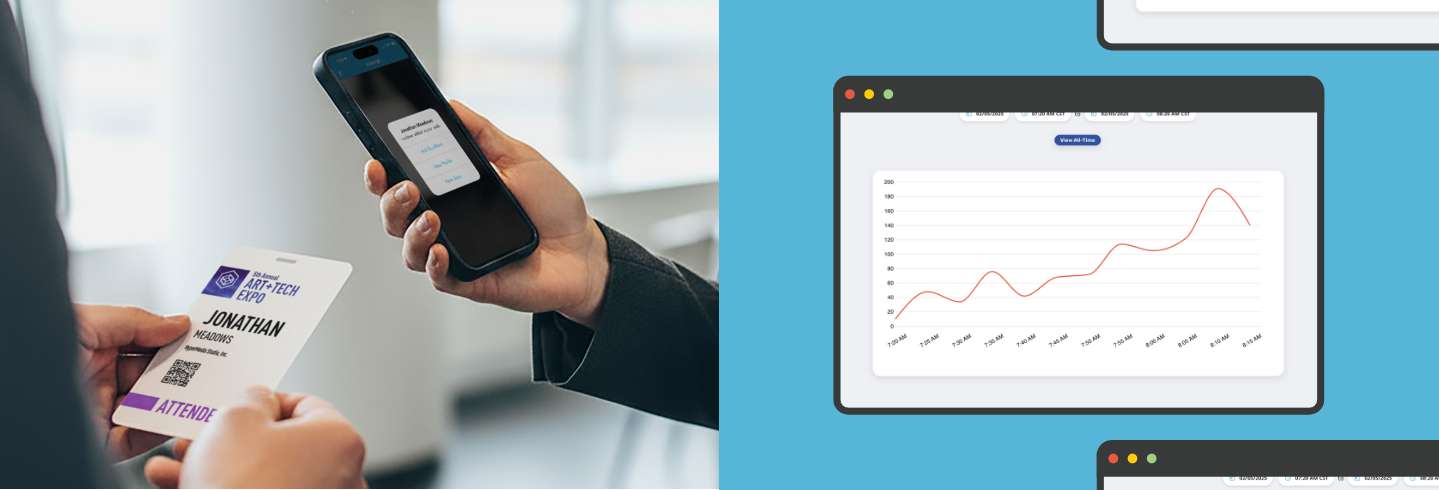
The goal of attendance tracking is not just a head-count recap slide. The real value comes from using that data to improve future events, prove sponsor or exhibitor value, and guide smarter follow-up. Session attendance can help you understand which topics resonated. Booth and lead data can support sponsor conversations. Registration-versus-attendance trends can help with budgeting, forecasting, and planning. This is where event attendance tracking becomes a strategic tool instead of just an operational one.When planners can combine registration data, check-in counts, session attendance, lead scans, and survey feedback, they get a much better sense of what worked, what did not, and where event ROI is actually showing up.
Tip 5: Choose a Platform That Supports the Full Event Lifecycle
The strongest event attendance tracking software does more than count attendance. It supports the full event lifecycle, helping planners move from registration and check-in to attendance analytics, lead capture, reporting, and post-event follow-up without juggling disconnected systems. It should help your team stay efficient while giving you reliable, useful data you can actually act on.All-in-one event platforms, like Expo Pass, help conferences, trade shows, corporate events, and association events tie registration directly into on-site check-in & badge printing, attendance tracking, lead capture, reporting, and the broader attendee experience. That kind of connected workflow is not just easier to manage, it gives planners a better picture of the event as a whole.

What Better Attendance Tracking Looks Like in Practice
A stronger event attendance tracking workflow often looks like this:- Attendees register online and sync to your event admin registration list
- They check in quickly on-site and print a badge if needed.
- Their badge (commonly via QR code) is used to track session attendance and engagement.
- Lead capture and exhibitor interactions are tied back to the attendee record.
- Post-event surveys and reporting add more context to the data.
- Your team walks away with a clearer picture of attendance, engagement, and ROI.

Final Takeaway: Headcount Is a Start. Better Event Data Is the Goal.
For planners, knowing how many people came to the event is helpful. Knowing what they did once they got there is much more valuable. That’s why the best event attendance tracking software goes beyond the front door. It helps teams measure engagement, improve operations, prove value, and make better decisions for future events. Because better tracking is not just about more data. It’s about more useful data.FAQ
What is event attendance tracking?
Event attendance tracking is the process of recording who attended an event and, in many cases, which sessions, booths, or activities they engaged with. Modern event attendance tracking software can capture this through QR codes, badge scans, kiosks, apps, or connected onsite tools.Why is event attendance tracking important?
It helps planners understand attendee behavior, measure engagement, improve future programming, support sponsor reporting, track continuing education credits, provide valuable lead capture data, and analyze overall event ROI.What should event attendance tracking software include?
Look for fast check-in, reliable session scanning, real-time reporting, and connections to registration, lead capture, and post-event analysis. Tools that live inside a broader event workflow are often more useful than standalone trackers.How do conferences track session attendance?
Many conferences use QR codes, badge scans, or check-in apps to track who attends specific sessions. That data can then be used for reporting, planning, continuing education workflows, or sponsor value conversations.How does attendance tracking help event ROI?
Attendance data becomes more useful when combined with event registration, lead capture, session engagement, and survey data. That broader view helps planners understand what drove participation, what content performed best, and where value was created for stakeholders.Keep reading
How to Measure Event ROI: Why Your Number Is Probably Wrong
Most event ROI numbers are wrong before anyone opens a spreadsheet, because the data feeding them never agreed with itself. Here are the four places attendee data breaks, the metrics that survive it, and a reconciliation checklist to run after your next event.
The Four Numbers to Pull Off Your Show Floor Before You Leave the Building
Four on-site numbers that decide next year's event budget, how to pull each one before teardown ends, and the single decision each one should change.
Event Management Software: The Complete Guide for Modern Event Professionals
Event management software centralizes registration, on-site check-in, badge printing, mobile event apps, attendee engagement, and post-event analytics into one connected platform. This complete guide covers the core features every event management system needs, how to evaluate and compare the best event management software for your team, real-world use cases across conferences, trade shows, and corporate events, and what's shaping the event management platform landscape in 2026. Whether you're running a 200-person workshop or a 15,000-attendee trade show, this is your playbook for choosing the right event software.
Bring your next event to life.
See how Expo Pass powers registration, check-in, and engagement from start to finish.
Get a demo