Event Marketing
First-Party Data for Events: Why It Matters in 2026
Third-party cookies are fading, but your event data is thriving. Why first-party data for events is your most valuable asset in 2026, and how to use it.
In medical education, attendance data isn't a nice-to-have — it's the credit record. Expo Pass powers CME/CEU conferences, hospital symposiums, and pharma-sponsored programs with timestamped session tracking and credentialed check-in. Teams at institutions like Cedars-Sinai and Mount Sinai run their events on Expo Pass.

Accredited medical education demands defensible attendance records. QR scanning at every session door builds timestamped, per-clinician logs — entry, exit, and duration — that export directly into credit reporting.
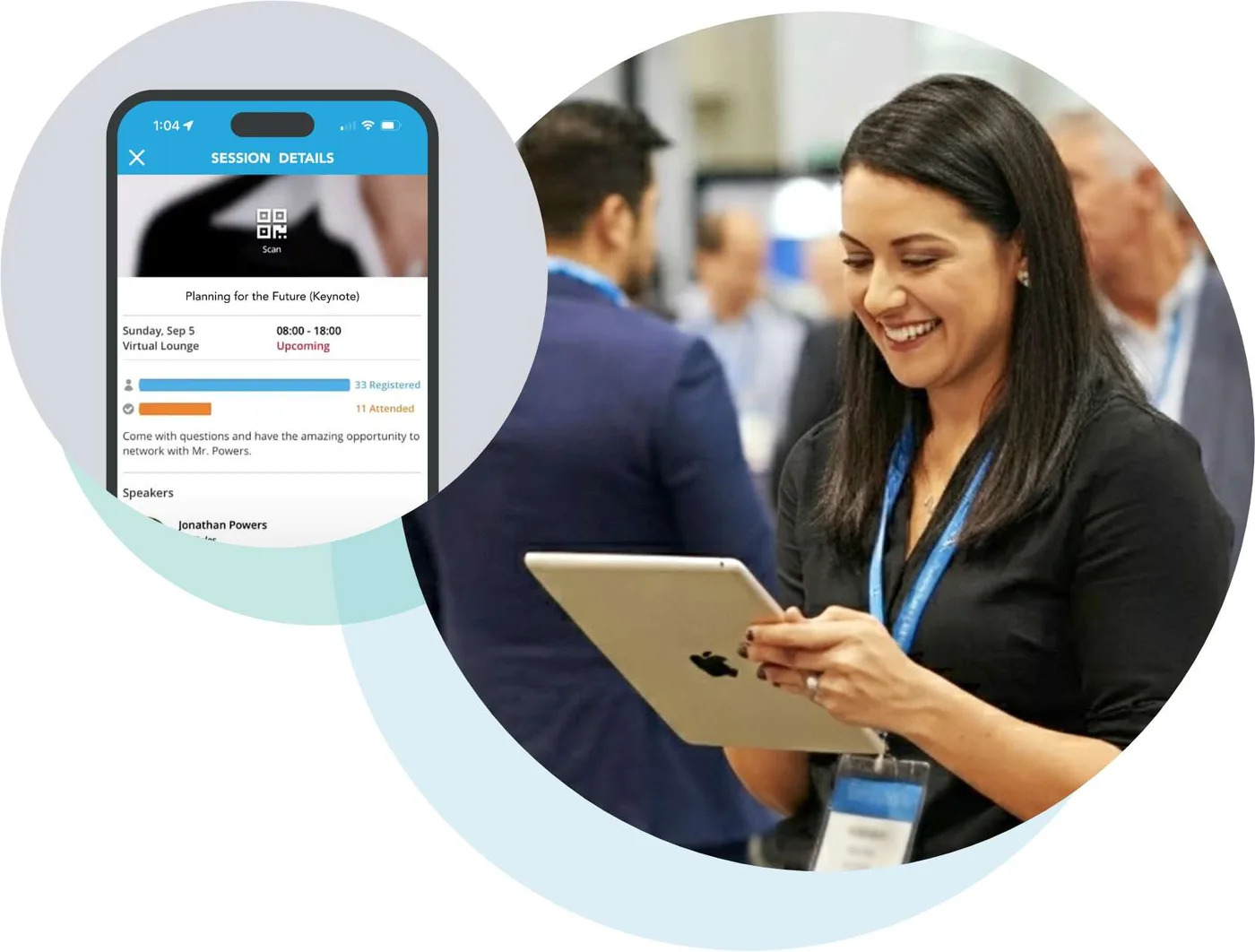
Physicians, nurses, residents, industry representatives, and exhibitors each need distinct handling — different pricing, different sessions, visibly different badges. Registration types and badge designs keep credentials clear across the venue.
Clinicians give up patient hours to attend — the event should respect their time. Fast badge printing, a mobile agenda with room maps, and push updates when schedules shift keep the day efficient from arrival to final session.
Third-party cookies are fading, but your event data is thriving. Why first-party data for events is your most valuable asset in 2026, and how to use it.
Event management software centralizes registration, on-site check-in, badge printing, mobile event apps, attendee engagement, and post-event analytics into one connected platform. This complete guide covers the core features every event management system needs, how to evaluate and compare the best event management software for your team, real-world use cases across conferences, trade shows, and corporate events, and what's shaping the event management platform landscape in 2026. Whether you're running a 200-person workshop or a 15,000-attendee trade show, this is your playbook for choosing the right event software.
Most event teams know their events are valuable, but proving it is another story. This guide breaks down 8 metrics that connect your events to real business outcomes, from revenue attribution and cost per lead to sales velocity and customer retention. Learn how to build a measurement framework, set up tracking before doors open, and present ROI data that gets executive buy-in.
Clinicians scan into and out of each session, creating timestamped per-attendee logs that verify both presence and duration. After the event, you export per-clinician reports formatted for your credit reporting workflow — a defensible record with zero manual transcription.
Yes — registration forms are fully customizable, so license numbers, NPI, specialty, and institution can be required fields, validated at sign-up and attached to the attendee's record throughout the event.
Yes. Each registration type gets its own badge design, so industry, exhibitor, and clinician badges are visually distinct at a glance — a common compliance requirement at medical meetings.
Yes — sponsored symposiums and dinner programs use the same registration, check-in, and attendance tracking, giving sponsors verifiable engagement records for their own reporting obligations.
Yes — medical device and pharma exhibitors scan attendee badges with the mobile app, qualify conversations, and export their lists immediately, subject to the data-sharing rules you configure for your event.
Tell us about your medical conference or CME program and we'll set up session tracking your accreditor will love.
Get started nowYour event is unique, and we’re here to help make it a success! Tell us about what you’re planning, so we can provide the best solutions for your needs:
Your request has been received — a member of our team will be in touch shortly.