Event Planning Checklist: The Only Template You'll Need
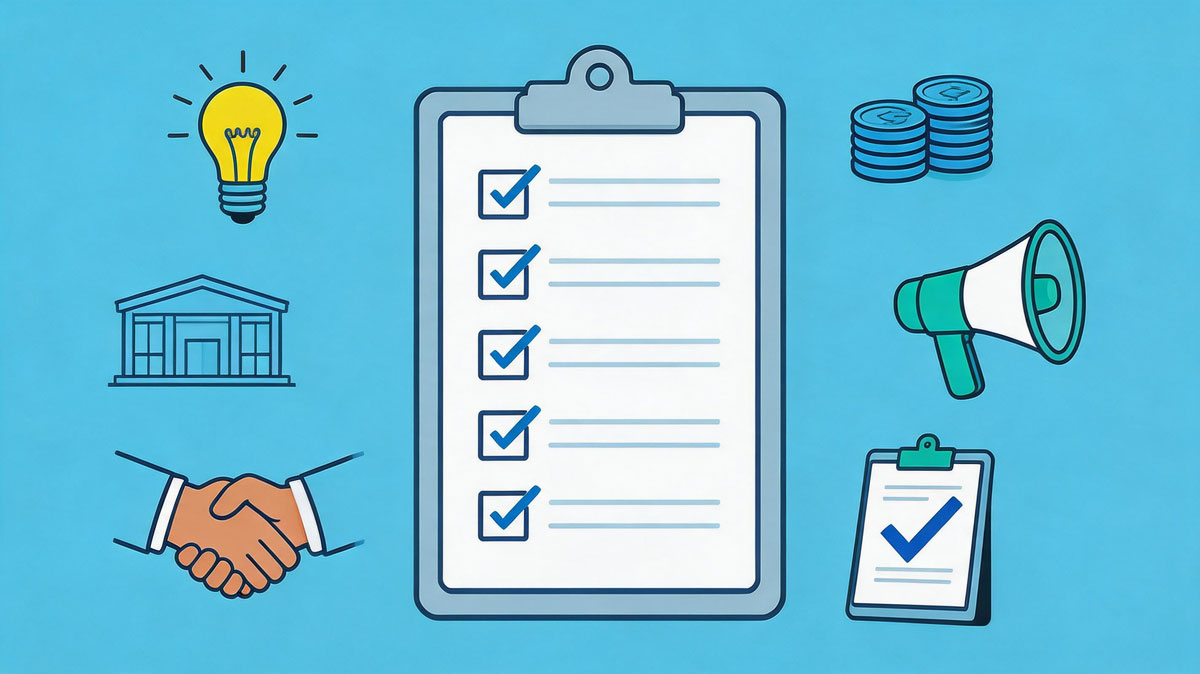
In this article, we'll cover:
- How to build a complete event planning checklist from initial concept through post-event wrap-up
- The six phases every event moves through (and what to tackle in each)
- Budget, venue, vendor, and promotion tasks you can't afford to skip
- Day-of logistics that keep your event running without surprises
- How to turn your checklist into a reusable event planning checklist template
Your Event Planning Checklist Starts Here
You've been asked to plan an event. The date is set, expectations are high, and your to-do list is already growing faster than you can write it down. Sound familiar? Every experienced event planner knows the feeling. Whether you're organizing a 50-person workshop or a 5,000-attendee conference, the difference between a seamless event and a stressful one almost always comes down to one thing: your event planning checklist. A solid checklist keeps every task visible, every deadline accountable, and every team member aligned. This isn't a generic list of vague reminders. It's a phase-by-phase event planning checklist template you can customize, reuse, and hand off to your team with confidence. Let's walk through every phase.Phase 1: Concept and Goal-Setting (8-12 Months Out)
Before you book a single vendor or send a single email, get clear on why this event exists and what success looks like.✅ Define the event purpose and objectives. ✅ Identify your target audience. ✅ Set the date (or narrow to 2-3 options). ✅ Establish the budget. ✅ Choose the event format. ✅ Assign core team roles.
Are you generating leads, building community, launching a product, or educating attendees? Write down 2-3 measurable goals. Your audience shapes every decision that follows: format, content, venue, even the food. Break your budget into categories: venue, catering, A/V, marketing, speakers, staffing, technology, and contingency (always budget 10-15% for the unexpected). If you're going virtual, you'll want a separate virtual event checklist to cover platform-specific tasks. One of the best event planning tips veteran planners share is this: spend more time on this phase than you think you need. Rushing past goal-setting leads to scope creep and misaligned expectations down the road.Phase 2: Venue and Vendor Selection (6-8 Months Out)
With your goals and budget locked, it's time to secure the big pieces.✅ Research and shortlist venues. ✅ Negotiate and sign the venue contract. ✅ Book key vendors. ✅ Secure speakers or entertainment. ✅ Select your event technology stack. ✅ Arrange accommodations and transportation.
Consider capacity, location, accessibility, parking, A/V capabilities, and catering restrictions when evaluating venues. Visit your top 2-3 in person if possible. Read the fine print on cancellation policies, setup/teardown windows, insurance requirements, and included services. Registration software, check-in tools, badge printing, event apps, and lead retrieval solutions should all be evaluated and booked now. Platforms like Expo Pass connect registration directly to on-site check-in and badge printing, which cuts setup time and eliminates manual data entry.💡 Pro tip: Create a shared vendor tracker with contact info, contract status, payment schedules, and deliverable deadlines. When you're juggling five vendors at once, a single source of truth prevents things from slipping through the cracks.
Phase 3: Event Planning Checklist for Marketing and Promotion (3-6 Months Out)
Your event only works if people show up. This phase is about building awareness and driving registrations.✅ Build the event website or landing page. ✅ Open registration. ✅ Launch your email marketing campaign. ✅ Activate social media promotion. ✅ Reach out to media and partners. ✅ Prepare sponsor deliverables.
Include the event name, date, location, agenda overview, speaker bios, and a clear registration call-to-action on your event page. Set up your registration platform with ticket types, pricing tiers, early-bird deadlines, and confirmation emails. Plan an email sequence: save-the-date, early-bird announcement, speaker reveals, agenda highlights, and last-chance reminders. Create an event hashtag, share behind-the-scenes content, and leverage speaker networks for amplification. If you have sponsors, confirm logo placements, booth assignments, session sponsorships, and any digital assets they need to provide.✨ Expert Advice: Don't wait until registration slows down to adjust your marketing. Set weekly registration benchmarks and have a backup plan (paid social, referral incentives, extended early-bird pricing) ready to deploy at the halfway mark.
Phase 4: Logistics and Operations (1-3 Months Out)
This is where your event planning checklist gets granular. Every operational detail matters.✅ Finalize the event agenda. ✅ Create the event run of show. ✅ Confirm all vendor details. ✅ Order signage and printed materials. ✅ Confirm A/V and technical requirements. ✅ Set up registration and check-in systems. ✅ Brief your on-site team. ✅ Prepare attendee communications.
Lock session times, speaker slots, breaks, meals, networking windows, and any concurrent tracks. Create a minute-by-minute day-of timeline that covers setup, doors open, sessions, transitions, breaks, and teardown. Assign a responsible person to every line item. Walk through every session's audio-visual needs: microphones (lapel, handheld, or podium), projection or LED screens, confidence monitors for speakers, livestream or recording setups, and house sound levels. Confirm internet bandwidth can handle attendee Wi-Fi, livestreaming, and any cloud-based tools running simultaneously. Schedule an A/V walkthrough with your production team at the venue at least two weeks before the event so you can catch issues like dead zones, awkward screen angles, or insufficient power outlets before they become day-of emergencies. Send final headcounts, floor plans, load-in schedules, and setup requirements to every vendor. Get written confirmations back. Test your registration platform end-to-end: ticket scanning, badge printing, on-site registration for walk-ins, and data syncing. If you're planning a trade show component, layer in a separate trade show checklist for exhibitor-specific tasks like booth assignments, lead retrieval setup, and exhibitor move-in coordination.Phase 5: Day-of Execution Event Planning Checklist
The big day. Your checklist is your lifeline.✅ Arrive early for setup. ✅ Hold a team huddle. ✅ Open check-in stations. ✅ Monitor the event in real time. ✅ Capture content. ✅ Manage speaker transitions. ✅ Handle issues calmly.
Be on-site at least 2-3 hours before doors open. Walk the venue, verify signage placement, test A/V, and confirm Wi-Fi connectivity. Run through the day's timeline, confirm roles, distribute radios or communication devices, and address any last-minute changes. Test every scanner, printer, and device before attendees arrive. Have a backup plan for tech failures (printed attendee lists, manual badge writing). Designate someone to track the schedule, watch for bottlenecks (registration lines, crowded sessions), and communicate adjustments to the team. Something will go sideways. The mark of great event execution isn't avoiding problems, it's solving them before attendees notice.⚡ Practical Advice: Keep a "command center" area backstage or in a private room where your core team can regroup, troubleshoot, and communicate without being in the middle of the event floor.
Phase 6: Post-Event Wrap-Up and Event Planning Checklist Review
The event is over, but your checklist isn't done yet.✅ Send thank-you emails within 24 hours. ✅ Distribute the post-event survey. ✅ Collect and organize event data. ✅ Debrief with your team. ✅ Reconcile the budget. ✅ Follow up on leads and opportunities. ✅ Archive your event planning checklist template.
Thank attendees, speakers, sponsors, and vendors while the event is still fresh in their minds. Ask about session quality, logistics, overall satisfaction, and what attendees want next. Keep your survey under 10 questions for better completion rates. Pull registration numbers, attendance rates, session popularity, lead retrieval data, and any revenue/ROI metrics. Compile them into a post-event report. Hold a structured retrospective: what went well, what didn't, and what you'd change. Document everything for next time. Save your checklist, run of show, vendor contacts, and post-event report in a shared folder. Future-you (or your successor) will be grateful.How to Turn This Into Your Reusable Event Planning Checklist Template
A checklist is only as valuable as your ability to reuse it. Here's how to make this a living document your team relies on for every event. Start with a copy, then customize. Not every event requires all six phases at full depth. A small internal meeting might only need phases 1, 4, and 5. A multi-day conference needs all of them expanded with additional sub-tasks. Add timelines and owners. For each checklist item, assign a responsible person and a due date. A task without an owner is a task that won't get done. Build in checkpoints. Schedule weekly or bi-weekly checklist reviews leading up to the event. These aren't status meetings, they're accountability checks. Use project management tools. Move your checklist into a tool your team already uses: Asana, Monday, Trello, or a simple shared spreadsheet. Expo Pass also offers free event tools that can complement your planning workflow.🌟 Great Advice: The best event planning checklist template evolves after every event. Add tasks you missed, remove ones that don't apply, and note time estimates next to each item so future planners know what to expect.
Final Takeaway
An event planning checklist isn't just a productivity tool. It's your insurance policy against the chaos that comes with coordinating dozens of moving parts, multiple vendors, tight timelines, and high expectations. The planners who execute flawless events aren't luckier than everyone else. They're more organized. Use this checklist as your starting point, customize it to fit your event's scope, and treat it as a living document that gets sharper with every event you run.Frequently Asked Questions
How far in advance should I start my event planning checklist?
For large events (500+ attendees), start 12 months out. Mid-size events (100-500) need 6-8 months. Smaller events can work with 3-4 months, but the earlier you start, the better your vendor options and pricing will be. The key is giving yourself enough runway that you're making decisions, not reacting to deadlines.What's the most commonly missed item on an event planning checklist?
Post-event tasks. Most planners focus heavily on pre-event and day-of logistics but forget to plan for thank-you emails, surveys, data collection, and team debriefs. These tasks are critical for measuring ROI and improving future events, so build them into your checklist from day one.Can I use one event planning checklist template for different event types?
Yes, with modifications. The six-phase structure works for conferences, trade shows, galas, workshops, and corporate meetings. The specific tasks within each phase will vary. Start with the full template and remove or add tasks based on your event format, audience size, and complexity.How do I manage an event planning checklist across a team?
Move your checklist into a shared project management tool where every task has an owner and a due date. Hold regular check-in meetings to review progress, and use your run of show document as the single source of truth for day-of responsibilities. Clear ownership prevents tasks from falling through the cracks.What's the difference between an event planning checklist and a run of show?
An event planning checklist covers everything from initial concept through post-event wrap-up, spanning weeks or months. A run of show is a minute-by-minute timeline for the event day itself. Think of the checklist as your project plan and the run of show as your game-day playbook. You need both.Keep reading
Event Sponsorship ROI: Helping Sponsors Hit Their KPIs
Events are now the biggest line in the marketing budget. See how planners can partner on KPIs and close the feedback loop to prove event sponsorship ROI.
Room Blocks and Group Rates: A Planner's Guide
Room blocks and group rates, explained. How blocks work, what attrition really means, and how to negotiate hotel rooms like a pro, minus the surprise bill.
The Complete Venue Walkthrough Checklist: What to Inspect Before You Sign
A venue walkthrough checklist is your best shot at catching dealbreakers before you sign. Here's what every site visit should cover, plus a free interactive checklist to run on your next tour.
Bring your next event to life.
See how Expo Pass powers registration, check-in, and engagement from start to finish.
Get a demo